

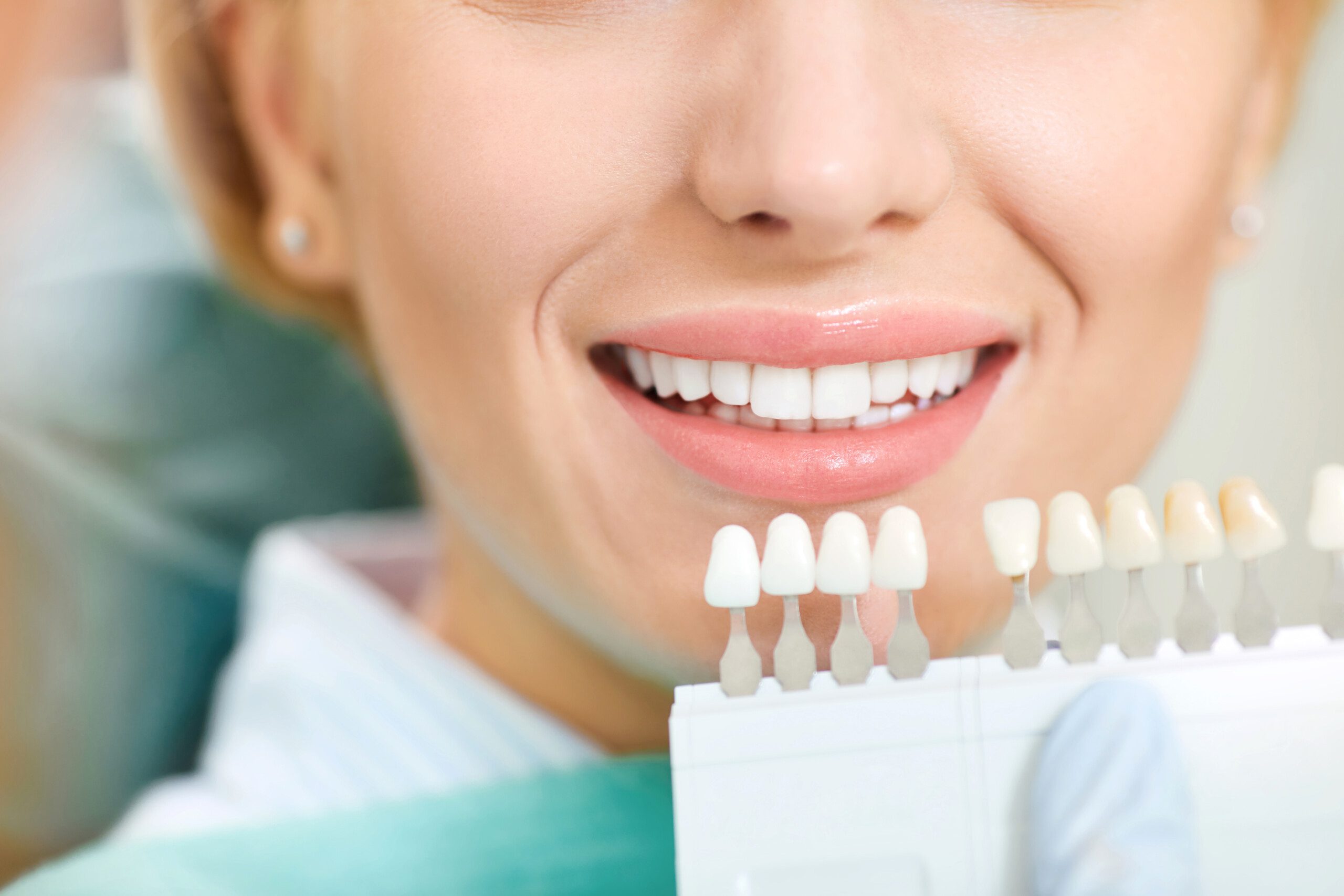

The accessibility of both professional treatments and over-the-counter whitening products has made it easier than ever to achieve a whiter smile. However, the pursuit of dazzlingly white teeth can lead to overuse, which may harm oral health. Over-whitening, whether through excessive professional sessions or misuse of at-home kits, can cause significant dental issues if not approached with caution. This article explores four key signs that indicate you may be over-whitening your teeth, offering insights into the risks and practical advice for maintaining a healthy, radiant smile.
Dr. Sahil Patel, a cosmetic dentist at MaryleboneSmileClinic in London, shares his perspective on the importance of moderation in teeth whitening. “Achieving a brighter smile is a common goal, but overuse of whitening products can weaken enamel and cause sensitivity. It’s essential to follow professional guidance and avoid the temptation to overdo it with at-home kits. For tailored advice on safe whitening practices, visit this site to learn more about our approach at MaryleboneSmileClinic.” By recognising the signs of over-whitening, individuals can protect their oral health while still enjoying the benefits of a confident smile.
Increased Tooth Sensitivity
One of the most common indicators of over-whitening is heightened tooth sensitivity. Teeth whitening products, whether used in a dental practice or at home, typically contain hydrogen peroxide or carbamide peroxide, which penetrate the enamel to remove stains. When used excessively, these chemicals can temporarily dehydrate the enamel and irritate the dentin, the sensitive layer beneath. This can result in discomfort when consuming hot, cold, sweet, or acidic foods and drinks. For instance, a sip of hot tea or a bite of ice cream may trigger a sharp, fleeting pain that wasn’t present before whitening.
Sensitivity is often temporary after a single whitening session, typically fading within a few days to a week. However, repeated or prolonged exposure to whitening agents can exacerbate this sensitivity, making it more persistent and uncomfortable. In some cases, over-whitening may thin the enamel, increasing the risk of long-term sensitivity. A cosmetic dentist in London can assess the severity of sensitivity and recommend desensitising products or fluoride treatments to strengthen enamel. Regular dental check-ups are crucial to monitor the health of your teeth and ensure that whitening treatments are not causing undue harm. If sensitivity persists beyond a couple of weeks or becomes unbearable, it’s a clear sign that whitening frequency or product strength needs adjustment.
The enamel’s natural protective barrier can also become compromised if whitening is done too frequently without allowing sufficient time for remineralisation. Saliva contains minerals like calcium and phosphate that help repair enamel, but this process takes time. Overuse of whitening products disrupts this balance, leaving teeth more vulnerable to external stimuli. To mitigate this, individuals should adhere to recommended whitening intervals—typically once every six months to a year for professional treatments—and avoid combining multiple whitening methods, such as in-office sessions and at-home strips, without professional supervision.
Gum Irritation and Soft Tissue Damage
Another telltale sign of over-whitening is irritation or damage to the gums and other soft tissues in the mouth. Whitening gels, particularly those with high concentrations of hydrogen peroxide, can cause chemical burns if they come into contact with the gums, tongue, or inner cheeks for extended periods. In professional settings, dentists use protective barriers, such as dental dams, to shield soft tissues during treatment. However, at-home kits often lack these safeguards, increasing the risk of gel leakage onto the gums, especially if trays are ill-fitting or overfilled.
Symptoms of gum irritation include redness, swelling, or a burning sensation in the affected areas. In severe cases, the gums may appear white or blistered, indicating a chemical burn. These effects are usually temporary and resolve within a few days, but repeated exposure can lead to prolonged discomfort or even gum recession, where the gums pull away from the teeth, exposing sensitive roots. For those seeking professional care, a cosmetic dentist in London can provide custom-fitted trays and precise application techniques to minimise these risks. Over-the-counter products, while convenient, often contain unregulated or excessive amounts of bleaching agents, which can exacerbate soft tissue damage if misused.
To prevent gum irritation, users of at-home kits should follow manufacturer instructions carefully and avoid leaving whitening trays or strips in place longer than recommended. Rinsing the mouth thoroughly after treatment and using a saltwater rinse can help soothe irritated tissues. If symptoms persist or worsen, consulting a dentist is essential to rule out underlying issues, such as gum disease, which can be aggravated by whitening products. Moderation and professional oversight are key to avoiding soft tissue complications while pursuing a brighter smile.
Enamel Damage and Translucent Teeth
Over-whitening can lead to enamel damage, a more serious consequence that affects the structural integrity of teeth. Enamel is the hard, protective outer layer of the tooth, and while it is the strongest substance in the human body, it is not indestructible. Frequent or improper use of whitening products can erode enamel, making teeth appear translucent, particularly at the edges. This translucency occurs when the enamel thins, revealing the yellowish dentin underneath, which can paradoxically make teeth look darker or less vibrant—defeating the purpose of whitening.
Enamel erosion is particularly concerning because, unlike other tissues in the body, enamel does not regenerate. Once damaged, it cannot be restored naturally, increasing the risk of cavities, tooth decay, and further sensitivity. Signs of enamel damage include teeth that appear glossy or glass-like, especially near the biting edges, or a noticeable change in tooth texture, such as roughness. These changes may not be immediately obvious, but over time, they can compromise both the appearance and health of the teeth. A cosmetic dentist in London can evaluate enamel health through a dental examination and recommend treatments, such as bonding or veneers, for severe cases where whitening is no longer suitable.
The risk of enamel damage is higher with over-the-counter products, which may contain abrasive ingredients or higher-than-safe levels of bleaching agents. For example, some whitening toothpastes rely on abrasives to scrub away surface stains, but excessive use can wear down enamel, exposing the dentin and increasing susceptibility to staining. Professional whitening, conducted under the supervision of a dentist, uses controlled concentrations of bleaching agents and protective measures to minimise enamel wear. To preserve enamel, individuals should avoid whitening too frequently, use products recommended by a dentist, and maintain good oral hygiene practices, such as brushing with fluoride toothpaste and attending regular dental cleanings.
Uneven or Unnatural Tooth Colour
A less obvious but equally important sign of over-whitening is uneven or unnaturally white tooth colour. Teeth naturally vary in shade due to differences in enamel thickness, mineral content, and underlying dentin colour. Excessive whitening can amplify these variations, resulting in a patchy or streaky appearance. For example, areas with thinner enamel may whiten more quickly, creating a contrast with thicker areas. Additionally, over-whitening can lead to an unnatural, overly bright appearance often described as “bleached” or “chalky,” which can look artificial and detract from the aesthetic goal of a natural, healthy smile.
This issue is particularly noticeable in individuals with dental restorations, such as crowns, veneers, or fillings, which do not respond to whitening agents. Over-whitening natural teeth can create a stark contrast with these restorations, leading to an uneven smile. For those considering whitening, consulting a cosmetic dentist in London is crucial to assess whether the treatment is suitable and to discuss alternatives, such as composite bonding or veneers, for achieving a uniform appearance. Uneven whitening can also occur if at-home products are applied inconsistently or if users fail to follow instructions, such as leaving strips on for too long or applying gel unevenly.
To avoid unnatural or uneven results, individuals should have realistic expectations about whitening outcomes. Teeth whitening can lighten teeth by several shades, but it cannot transform them into a flawless, Hollywood-white appearance, especially if intrinsic stains (those beneath the enamel) are present. Professional treatments offer more predictable results, as dentists can tailor the procedure to the patient’s unique dental profile. Regular maintenance, such as professional cleanings and occasional touch-up treatments, can help sustain a balanced, natural-looking smile without the risks associated with over-whitening.
Risks of Over-the-Counter Products
The rise of over-the-counter whitening products, from strips to LED kits, has made whitening more accessible, but it also increases the risk of over-whitening. These products often contain lower concentrations of bleaching agents than professional treatments, but their ease of access can lead to overuse. Many users apply these products more frequently or for longer durations than recommended, believing it will enhance results. However, this can exacerbate sensitivity, gum irritation, and enamel damage, particularly if the products are of poor quality or contain unregulated ingredients.
In the UK, over-the-counter kits are regulated to contain no more than 0.1% hydrogen peroxide, which limits their effectiveness compared to professional treatments. As a result, some users turn to unregulated online products, which may contain dangerously high levels of bleaching agents, leading to severe oral health issues. The British Dental Association has reported instances of counterfeit kits with hydrogen peroxide levels exceeding 33%, which can cause nerve damage, gum recession, and enamel erosion. A cosmetic dentist in London can provide safer, more effective alternatives, such as custom-fitted trays with professional-grade gel, ensuring controlled application and better outcomes.
Consumers should be cautious of products marketed with exaggerated claims, such as “instant whitening” or “professional results at home.” These often provide temporary, superficial effects by coating teeth with a film that wears off quickly, leaving users disappointed and tempted to overuse the product. Consulting a dentist before using any whitening product is essential, especially for those with pre-existing dental issues like cavities or gum disease, which can be worsened by bleaching agents. Professional guidance ensures that whitening is both safe and effective, tailored to the individual’s oral health needs.
Maintaining a Healthy Smile Without Over-Whitening
To achieve and maintain a bright smile without the risks of over-whitening, a balanced approach to oral care is essential. Regular dental check-ups and professional cleanings are the foundation of good oral health, removing surface stains and tartar that contribute to discoloration. Brushing twice daily with fluoride toothpaste and flossing daily help prevent plaque build-up, which can dull the appearance of teeth. Limiting consumption of staining foods and drinks, such as coffee, tea, red wine, and berries, can also prolong whitening results. Rinsing the mouth after consuming these items and using a straw for beverages can further minimise staining.
Incorporating natural whitening foods, such as apples, celery, and carrots, can gently scrub teeth and stimulate saliva production, which naturally cleanses the mouth. Dairy products, like milk and cheese, contain calcium and phosphates that strengthen enamel, supporting long-term oral health. For those who wish to maintain whitening results, professional touch-up treatments, recommended by a dentist, can be used sparingly—typically once every 12 to 18 months. These should be complemented by good oral hygiene practices rather than relying solely on whitening products.
If over-whitening has already caused issues like sensitivity or enamel damage, restorative treatments may be necessary. Fluoride varnishes or remineralising agents can help strengthen weakened enamel, while bonding or veneers can address aesthetic concerns like translucency or uneven colour. Consulting a dentist promptly can prevent further damage and restore both the function and appearance of the teeth. By prioritising moderation and professional care, individuals can enjoy a bright, healthy smile without compromising their oral health.
Conclusion
Teeth whitening can enhance confidence and improve the appearance of a smile, but overdoing it can lead to serious consequences for oral health. Recognising the signs of over-whitening—increased tooth sensitivity, gum irritation, enamel damage, and uneven tooth colour—is crucial for preventing long-term harm. By working with a dental professional and using whitening products judiciously, individuals can achieve a radiant smile safely and effectively. In London’s vibrant cosmetic dentistry scene, seeking advice from a qualified dentist ensures that whitening treatments are tailored to individual needs, balancing aesthetics with oral health. Prioritising moderation and regular dental care is the key to a bright, healthy smile that lasts.